Navigating Your Path to Data Engineering: A Comprehensive Guide to Breaking Into the Field

The Data Dilemma: From Frustrated Coder to Strategic Problem Solver
Let me be honest—when I first started my journey in data science, I was that developer who could barely string together a machine learning model without feeling like I was trying to solve a Rubik's cube blindfolded. Machine learning felt like an intricate dance where I constantly had two left feet.
Then, data engineering entered my life like a superhero with a Swiss Army knife of technological solutions. Suddenly, those complicated data pipelines that used to make me want to throw my laptop out the window became... manageable. Dare I say, even enjoyable?
The Growing Demand: Why Data Engineering is Your Golden Ticket
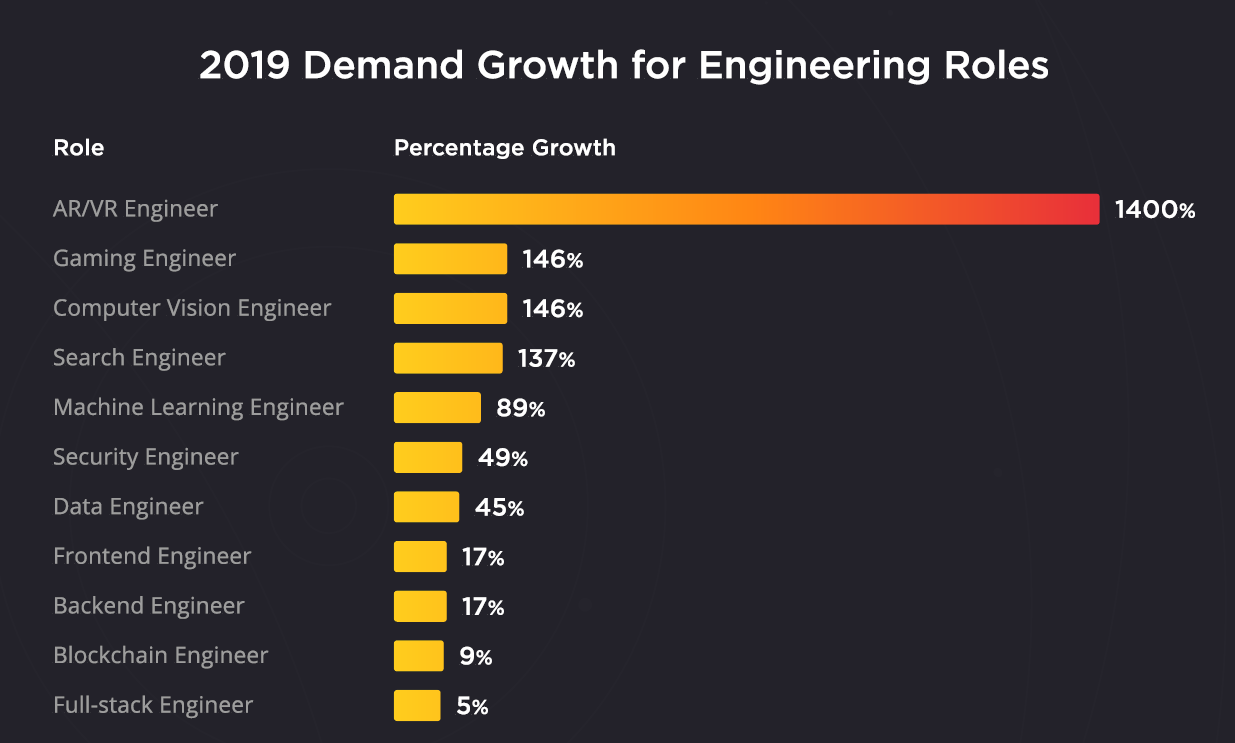
Data has become the new oil, and data engineers are the drilling experts of the 21st century. With top companies processing terabytes of information daily and platforms like LinkedIn showcasing thousands of data engineering positions, this field isn't just a career—it's a technological revolution.
💡 Fun Fact: The average data engineer earns approximately $130,000 annually. That's not just a salary; that's a "buy-a-Tesla-and-still-have-money-for-artisan-coffee" kind of income!
From Chaos to Clarity
Imagine being the person who transforms raw, messy data into crystal-clear insights that help businesses make game-changing decisions. That's not just a job—it's almost like being a data wizard.
When I help a business understand its customer behavior, reduce inefficiencies, or predict market trends, I'm not just moving numbers around. I'm helping create stories from seemingly random data points, turning complexity into comprehensible narratives.
Foundational Skills
1. Master the Core Technologies
To build a solid foundation in data engineering, focus on three fundamental technologies:
Python: An open-source language with extensive third-party libraries and robust virtual environment capabilities. It's like the friendly neighborhood superhero of coding—flexible, powerful, and always ready to save the day.
SQL: More than just a declarative language, SQL offers advanced transaction properties that make data manipulation efficient. Think of it as a precise dance of data manipulation, where every query is a carefully choreographed move. Key advanced topics to master include:
Group by functions
Window functions
Complex querying techniques
Command Line Tools: Like the stage managers of your data engineering theater, these help facilitate data pipeline interactions and improve productivity.
2. Data Storage and Orchestration
Understanding data storage is crucial for data engineers. Focus on:
Object Stores: Ideal for unstructured data like images, audio, and text
Relational Databases: Often the solution to most data engineering challenges
Data Orchestration: Learn Extract, Transform, Load (ETL) processes
Apache Airflow: The industry-standard tool for workflow management
3. Advanced Data Processing Techniques
Differentiate yourself by understanding:
Batch Processing: Utilizing tools like Apache Spark to handle large-scale data
Stream Processing: Learning frameworks like Apache Kafka for real-time data handling
Distributed Systems: Understanding concepts like map-reduce and parallel processing
Learning Strategies: Turning Passion into Profession
The "No Pressure" Learning Approach
Take at least three months
Build projects that make your heart sing
Choose resources that don't make you want to fall asleep
Pro Tip: If a learning resource feels more boring than watching paint dry, it's time to find a new one!
Real-World Impact: Beyond the Code
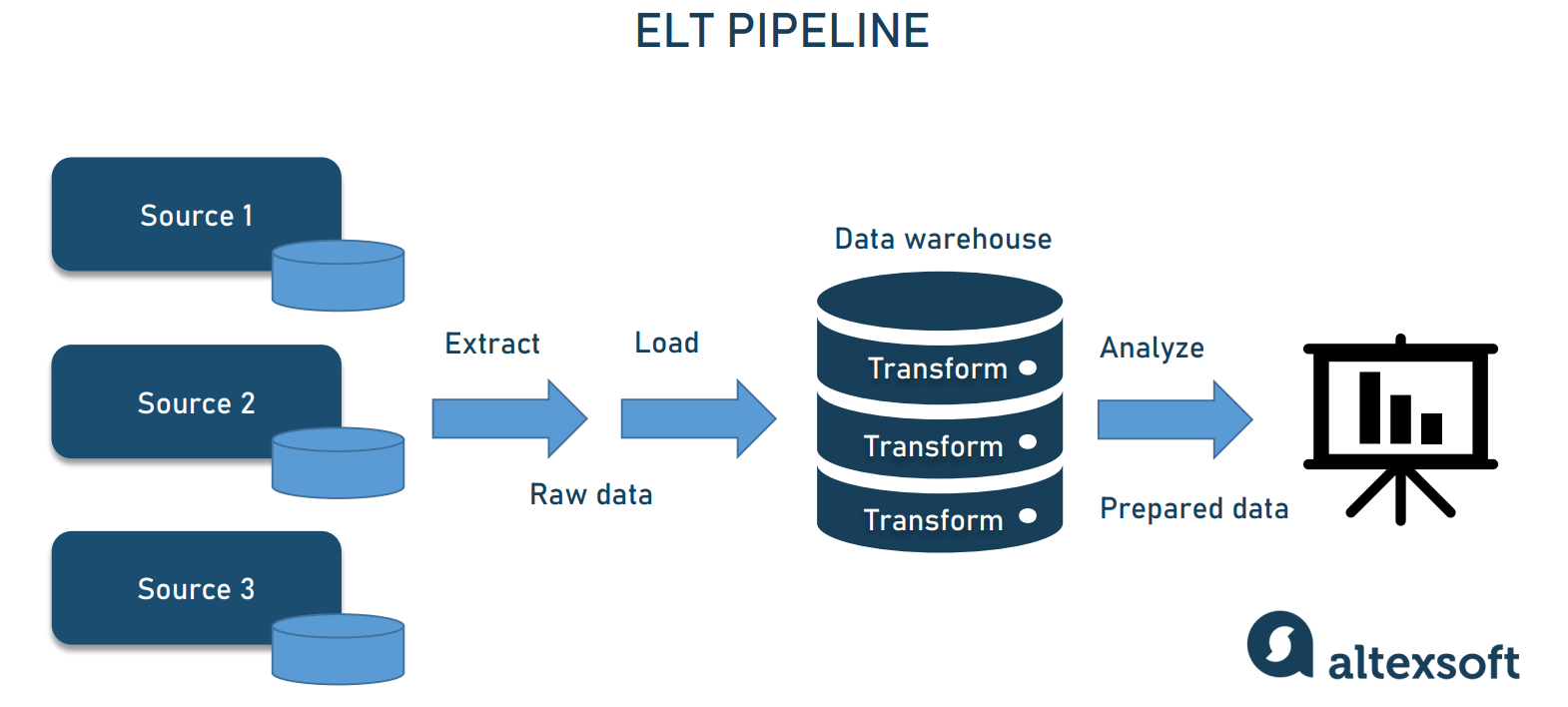
Data engineering isn't just about technical skills. It's about:
Helping businesses make smarter decisions
Transforming complex data into actionable insights
Creating value that goes beyond lines of code
Conclusion: Your Strategic Roadmap to Data Engineering Success
Some days, you'll feel like a coding genius. Other days, you'll wonder if you accidentally signed up for technological self-torture. Spoiler alert: It's totally worth it. The journey into data engineering is more than a career choice—it's a strategic investment in your professional future. As businesses increasingly rely on data-driven decision-making, the role of a data engineer has transformed from a technical support position to a critical strategic partner in organizational success.


